Tarmac Driveway Cost
What a new or resurfaced tarmac drive tends to cost in 2026, and a calculator that works from your own measurements.
Work out a price for your drive
Measure the space, say what needs doing and where you live. The range moves as you type.
Typical price for your drive
£2,150 to £3,600
A guide, not a quote.
- Area
- 36 m²
- Rate used
- £60 to £100 per m²
- Regional allowance
- None
Typical 2026 UK prices. Ask whether a quote includes VAT. Not included: edging or a block border, drainage channels or a soakaway, and a dropped kerb, which your council prices separately.
Get a quoteWhere the figures come from
- Price ranges: our summary of installed prices published by UK trade price guides in 2026. National figures. A guide, not a quote.
- GOV.UK: Guidance on the permeable surfacing of front gardens
- Planning Portal: Paving your front garden
- Welsh Government: Planning permission for paving your front garden
- Highways Act 1980, section 184 (vehicle crossings over footways)
Tarmac driveway prices by size
Most quotes are worked out per square metre, so size moves the price more than anything else. Here are four common sizes, outside London and the South East.
| Drive | New drive | Replacing an old surface | Resurfacing |
|---|---|---|---|
| 18 m²3 m by 6 m: one car, nose in | £1,100 to £1,800 | £1,250 to £2,250 | £350 to £800 |
| 36 m²6 m by 6 m: two cars side by side | £2,150 to £3,600 | £2,500 to £4,500 | £700 to £1,600 |
| 50 m²6 m by 8.5 m: two cars and a path to the door | £3,000 to £5,000 | £3,500 to £6,250 | £1,000 to £2,250 |
| 80 m²8 m by 10 m: a wide plot or three cars | £4,800 to £8,000 | £5,600 to £10,000 | £1,600 to £3,600 |
Example plan sizes, not a standard. Small resurfacing jobs often carry a minimum charge, so the 18 m² figures are the least reliable in the table. Ask whether a quote includes VAT. A guide, not a quote.
Tarmac driveway cost per m²
A new drive tends to cost £60 to £100 per m². That covers digging out, a compacted stone sub-base and two layers of asphalt.
Taking an old drive out first
Breaking up concrete, slabs or worn tarmac and carting it away adds roughly £10 to £25 per m², which is how the middle column is built.
Resurfacing
A new top layer over a sound, level drive runs about £20 to £45 per m². If the base is moving, it won't last, and you are back to a new drive.
What you are paying for
You might think most of the money goes on the black stuff you see. In a lot of cases, it's the part you never see again that decides whether the drive lasts.
A new tarmac drive is dug out to firm ground, built back up with crushed stone that is rolled hard, then finished with two layers of asphalt: a coarser binder course and a finer surface course on top. Edging along the sides holds it all in place.
So when two quotes are far apart, compare the layers before the totals. Ask each firm to write down how deep they will dig, what goes in the sub-base and what edging they will use. A cheap price with a thin base tends to show itself in ruts and cracks within a few winters.
The other things that move a price:
- Access. A machine that can't reach the drive means barrows and more labour hours.
- The old surface. Concrete takes longer to break out than gravel, and every load has to be tipped.
- Where the rain goes. A channel drain or a planted strip may be needed to keep you inside the front garden rule below.
- Edging and borders. A block border looks smart and adds to the bill.
None of these are in the calculator, so treat its figure as the starting point.
The 5 m² front garden rule
If your drive is in the front garden of a house in England, there's one planning rule that can change both the design and the price. Since 1 October 2008, surfacing more than 5 m² there only counts as permitted development if the surface is permeable, or the rain runs off onto a lawn or border inside your boundary. Otherwise you need planning permission.
In other words, an ordinary tarmac drive that tips water onto the pavement is the problem case. Porous asphalt, or a fall towards a planted strip, usually keeps you clear of an application. The rule covers houses, not flats.
Wales has its own version, and you can replace or repair up to 5 m² of existing hard surfacing there without using permeable materials. Scotland and Northern Ireland set their own rules, so check with your council before you sign anything.
Permeable tarmac and the rule in detail GOV.UK guidance Welsh Government guidance
Prices for the job you have in mind
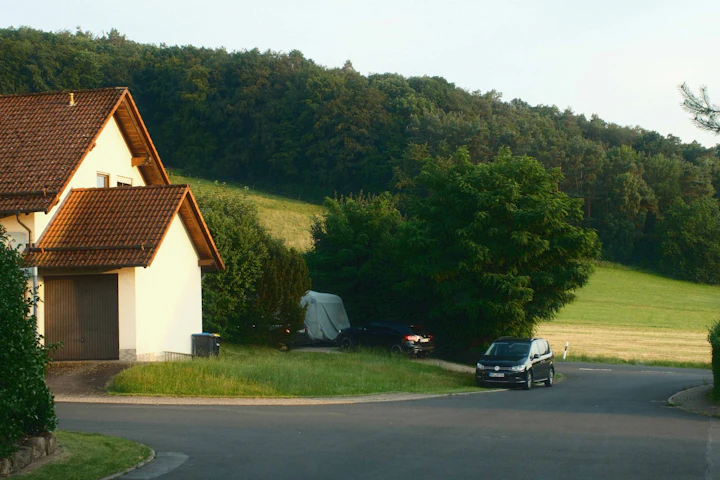 Tarmac drivewaysFinishes, borders, the honest downsides and what a new drive involves.
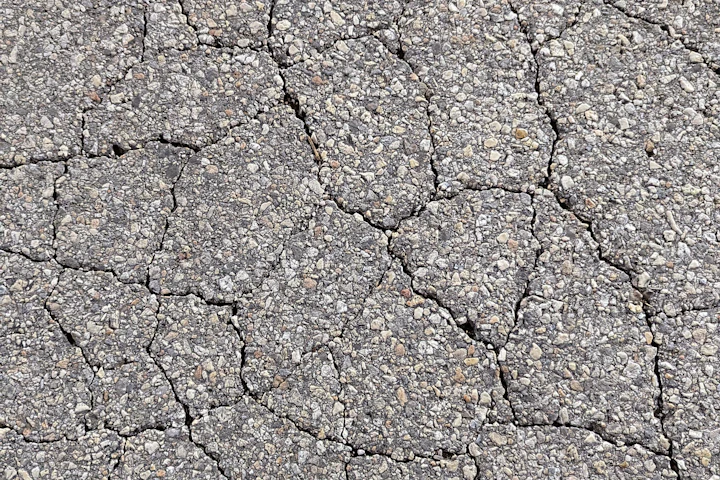 Resurfacing an old driveWhen a new top layer is enough, and when the base has to come up.
 Permeable tarmacPorous asphalt and the 5 m² front garden rule.
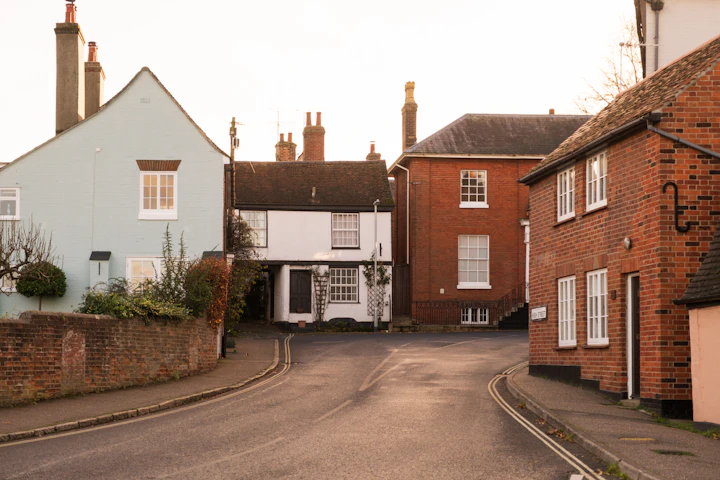 Dropped kerb costWho gives permission, who does the work and why fees differ by council.
- Driveway cost by surfaceTarmac beside gravel, concrete and block paving, per m².
How a tarmac drive gets laid
Survey and written price
The contractor measures, checks levels against the house and the road, and looks at where the water will go. The price should list the layers.
Dig out and edge
The old surface and soil come out down to firm ground. Edging is set in concrete along the sides before any stone goes in.
Sub-base
Crushed stone goes down in layers, each one rolled or plated hard. This is the part that stops the drive sinking.
Binder and surface
Hot asphalt is spread and rolled in two layers. Keep cars off until the contractor says it has cooled and hardened.
Tarmac driveway costs: your questions
What does an average tarmac drive cost?
For a new drive on a two-car space of about 36 m², a typical price is £2,150 to £3,600. A 50 m² drive usually lands between £3,000 and £5,000. Both figures include digging out and a stone sub-base, and both are guides rather than quotes.
Is tarmac cheaper than block paving or concrete?
Usually, yes. In one national set of installed prices, tarmac runs £60 to £90 per m², concrete £85 to £130 per m² and block paving £115 to £175 per m². The surface comparison has every row.
Why does the calculator add more for London and the South East?
Prices for building work tend to run higher there than in the rest of the UK. The calculator adds 15% to the bottom of the range and 25% to the top. That allowance is our judgement, not an official figure.
Do I need planning permission for a tarmac drive?
In England, only in one common case: you are surfacing more than 5 m² of a house's front garden with a surface that lets rain run off onto the road. Make it porous, or let it drain onto a lawn or border inside your boundary, and you usually don't (GOV.UK guidance). Wales has a similar rule.
Do I need permission for a dropped kerb?
Yes. Driving over the pavement needs a vehicle crossing, and that is approved by your highway authority, which is normally the council (Highways Act 1980, section 184). Fees and who does the work vary by council. See the dropped kerb guide.
What are the downsides of a tarmac drive?
Fresh tarmac can soften on very hot days, and tyres turned on the spot can scuff it while it is new. It also fades from deep black towards grey over the years. Good edging keeps the sides from crumbling and stops weeds creeping in along the margins.
Someone knocked offering leftover tarmac cheap. Should I say yes?
It's very important to say no on the doorstep. Council trading standards teams warn about this approach. If you have already signed at home, you usually have 14 days to cancel under the Consumer Contracts Regulations 2013. Our post on doorstep offers explains more.
Tell us about your drive
Three short steps: where the house is, what the drive needs, then how to reach you.
Tell us about the drive and we look for a surfacing contractor who covers your postcode. You hear the firm's name first, and nothing of yours reaches them until you agree. There is no charge to you. We are an independent introduction service and do not lay drives ourselves.
Got it. Your enquiry is with us.
Here is what happens now:
- We look for a contractor who surfaces drives around your postcode, then get in touch with the firm's name.
- Your details stay with us until you say go ahead.
- The contractor comes out, measures the drive and gives you a written price. No mailing list, no follow-up sales emails.